Post Graduate Diploma in Piping Engineering (2:00pm to 6:00pm): 7th April 2026
Post Graduate Diploma in Piping Engineering (7:30pm to 9:30pm): 7th April 2026
Post Graduate Diploma in Piping Engineering (2:00pm to 6:00pm): 7th April 2026
Post Graduate Diploma in Piping Engineering (7:30pm to 9:30pm): 7th April 2026

ETI
February 26, 2026

Deciding your career path after an engineering or diploma is not a small thing. It’s a decision that can influence your career for many years ahead. These days, a lot of students are choosing piping engineering because there is a steady demand in sectors like oil & gas, petrochemicals, refineries, power plants, and infrastructure. The salary packages are fairly good, career growth is stable, and there are opportunities not only in India but also overseas.
With this rising demand, many institutes have started offering a Piping Engineering Course in Thane. But the reality is, every institute does not provide the same quality of training. Before investing your hard-earned money and valuable time, it’s important to carefully evaluate a few key aspects.
First thing, ask for the full syllabus. Not just a small overview, but detailed topics.
A good course should cover basics like piping materials, valves, fittings, pipe supports, and industry codes and standards. It should also include piping layout, isometric drawings, equipment layout and basic stress concepts.
But here’s the main point: it should not feel like pure theory. In real companies, nobody will ask you for definitions from a book. You will be expected to understand drawings, coordinate with other departments, and work on real layouts. So check if the institute teaches with practical examples and drawing practice. That makes a big difference.
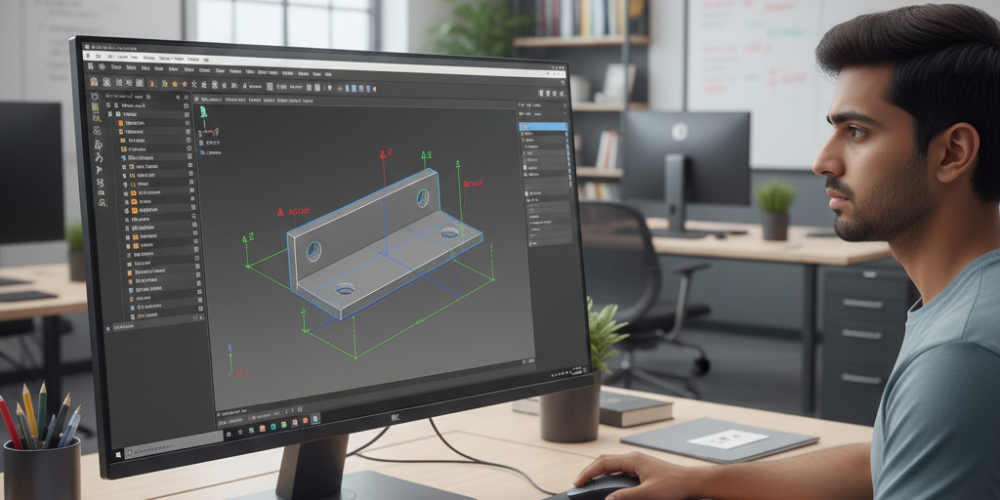
Let’s be practical - today, everything is software-based. If you don’t know tools like AutoCAD, PDMS, SP3D, or E3D, it becomes difficult to get shortlisted.
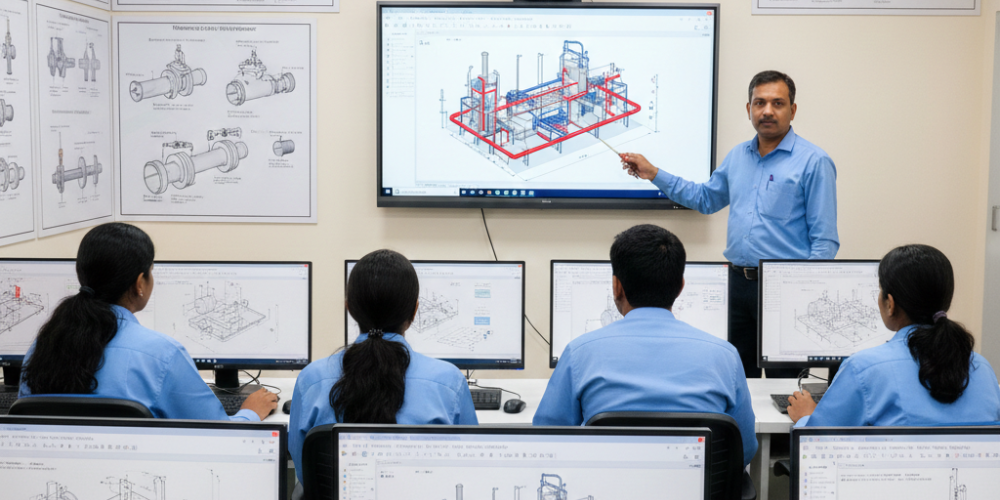
So when you enquire about a Piping Engineering Course in Thane, clearly ask how much time is given for software practice. Is it hands-on? Will you get your own system to practice? Are there assignments?
Only watching the trainer’s screen is not enough. Confidence comes when you actually work on the software yourself. Companies expect you to have basic working knowledge from day one.
This is something many students ignore. A good trainer can make even tough concepts easy.
Try to find out whether the faculty has real industry experience. Have they worked on actual oil & gas or plant projects? Do they have site exposure?
When trainers share real stories from projects, like design changes, client comments, and site problems, you understand how things actually work in companies. That practical knowledge is far more valuable than only bookish learning.
Piping engineering is not about mugging up. It’s about applying what you learn.
A good institute will give you assignments like preparing layouts, reading drawings, working on isometrics, and maybe even small project simulations. When you practice these things, you start thinking like a design engineer.
During interviews, when you explain the project work you’ve done, it shows that you have hands-on experience. That creates a strong impression.
Yes, certificate matters. It adds weight to your resume. But don’t join only for the certificate.
Make sure the institute gives proper course completion certification. Also, check if they have some industry connections or recognition. A structured and well-planned course is always better than random short-term classes that finish topics in a hurry.
Many places will say “100% placement guarantee.” Instead of getting impressed, ask practical questions.
Do they help in resume making?
Are mock interviews conducted?
Do they regularly share job openings?
Where are previous students working now?
Genuine guidance and support can help you a lot, especially if you are a fresher.
A small batch size is always better. You can ask doubts freely and get personal attention.
Check if the lab is properly set up and systems are updated. If you are working, flexible timings or weekend batches will help you manage both job and studies smoothly.
At the end of the day, joining a piping course is an investment. Don’t rush. Visit the institute, talk to students if possible, and then decide. When you choose wisely, your learning becomes strong and your career path becomes much clearer.
Get in touch, or Contact us for Admission